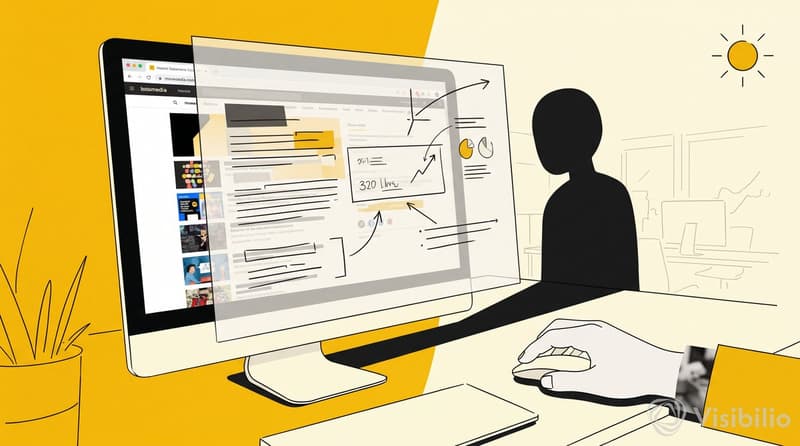
Case Studies
Four Public Tools That Test Whether Your Website Is Agent-Ready
Four public tools test whether your website is ready for AI agents. What each one measures, where they differ, and what agent readiness means for the business.
Four public tools test whether your website is ready for AI agents. What each one measures, where they differ, and what agent readiness means for the business.
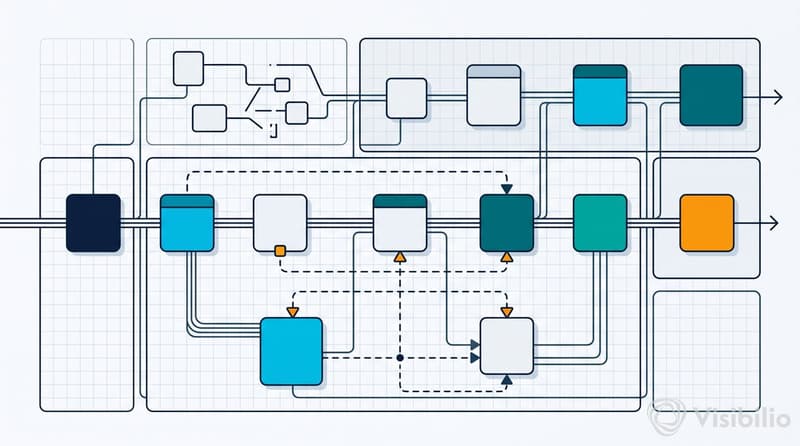
Camunda's 2026 survey of 1,150 IT leaders: 71% of organizations say they use AI agents, yet only 11% of agentic AI use cases reached production in the last year. Why agents stall outside the process, how to place them inside governed BPM workflows with humans at the decision points, and what orchestration cannot do on its own.
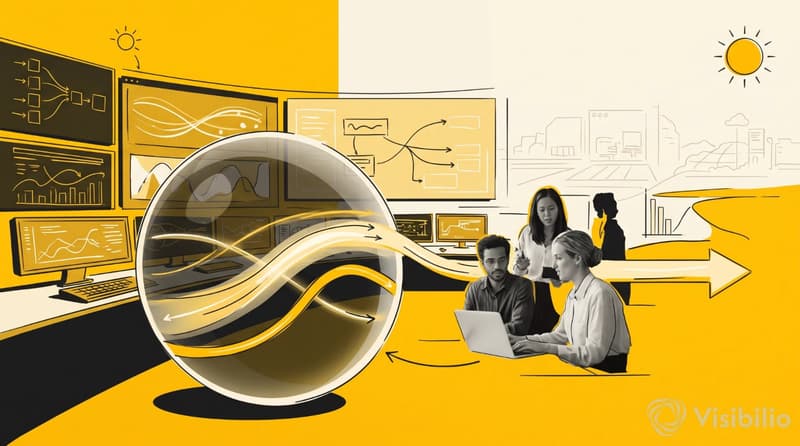
We ran five agent-readiness scanners against kondevs.com in one day, fixed what they found and recorded every decision, including where the right fix was to do nothing. The tools and what each measures, the results, what they say about LLM visibility, and the lessons for the Visibilio Website Builder.
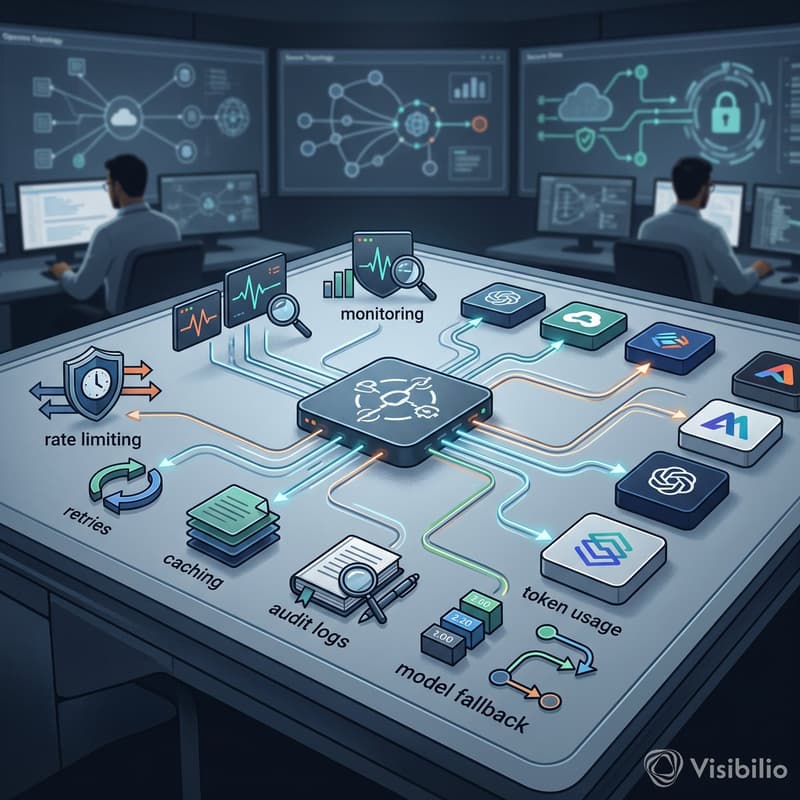
Learn how Cloudflare AI Gateway acts as an enterprise AI control plane with routing, logging, caching, rate limits, fallback, and identity-based usage.

How a company is found, described correctly and cited in answers from AI assistants: the three paths behind an answer, what a company controls and what it does not, and what we built on kondevs.com.
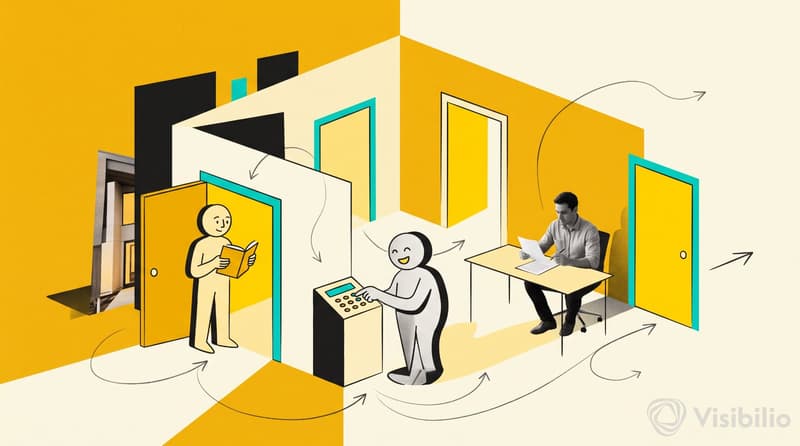
What an AI agent can read, call and publish on kondevs.com, how it is built on Cloudflare, and the rules that kept it honest: read-only by default, one table per contract, errors and limits a machine can act on.
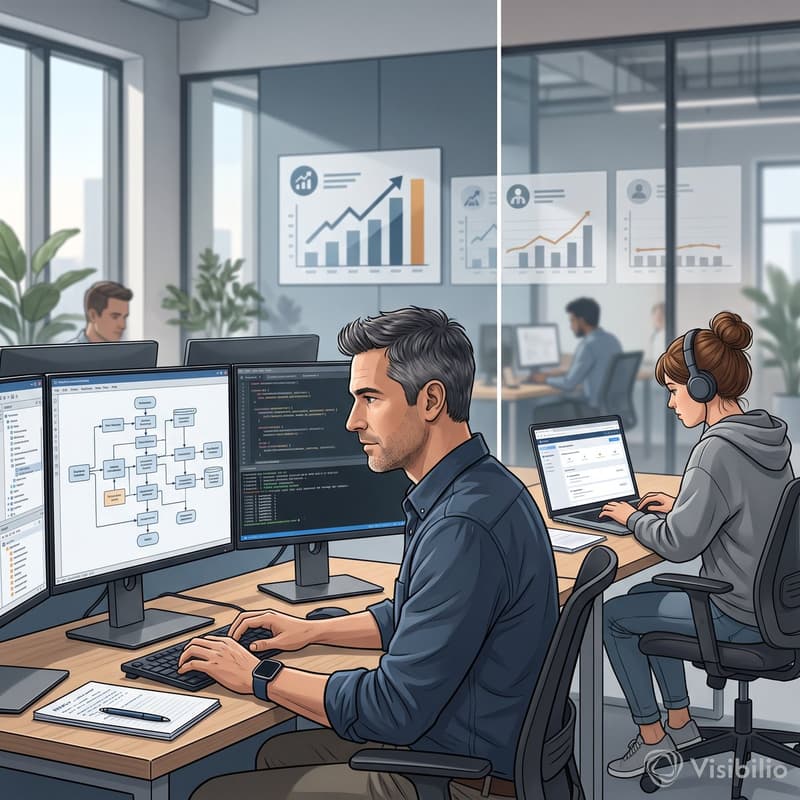
U.S. software-development postings on Indeed rose almost 15% from late February 2025 to mid-2026 while overall postings fell 7%. But 71% of the gain was senior roles, employment of developers aged 22 to 25 is down nearly 20% from 2024, and trust in AI output lags adoption. What that means for enterprise architecture teams.
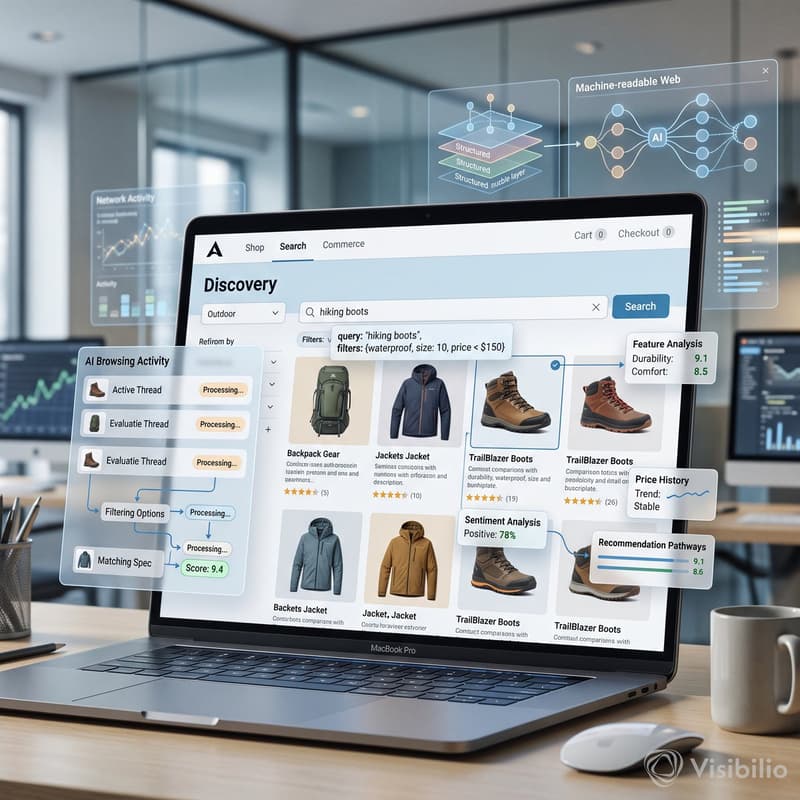
HUMAN Security found 77% of AI agent activity in 2025 on product and search pages and 2.3% on checkout pages, where agents already complete transactions without direct human involvement. Discovery dominates, so for integration architects, the first job is making product and service data readable to agents.
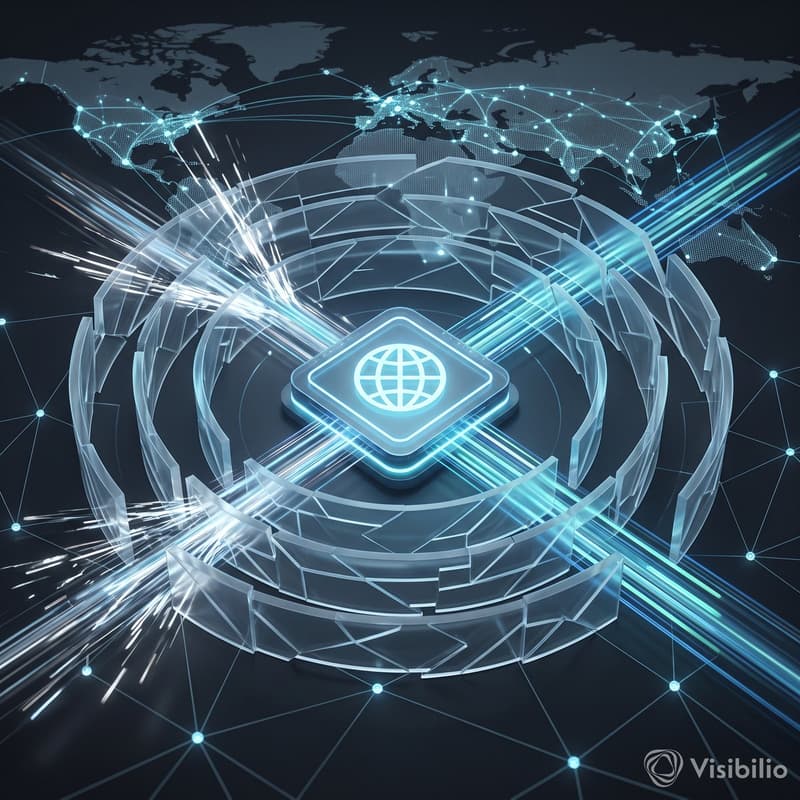
How kondevs.com runs on Cloudflare Pages and the Workers runtime, KV and R2: pages rendered at the edge, preview-first deploys, DDoS protection built in and a cost model that rewards good architecture.
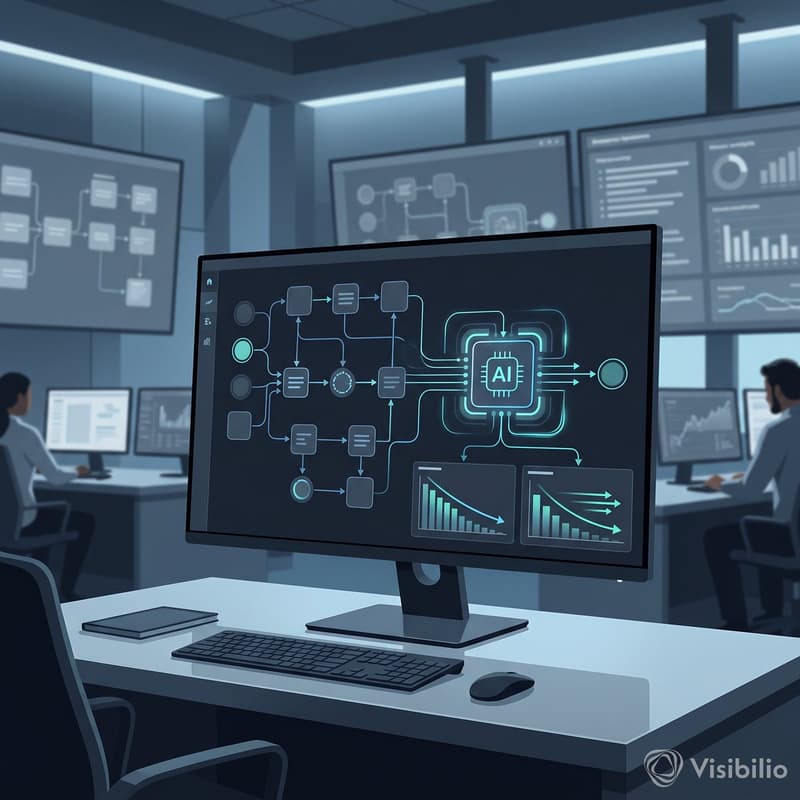
Claude Opus 5.5 lowers token prices and speeds up output, but in BPM it is a component, not an orchestration engine. State, routing, audit trails and fallbacks stay in the process layer.
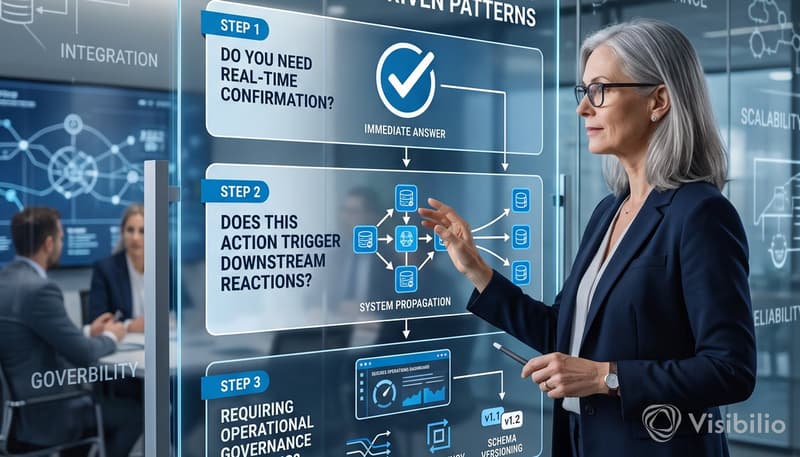
Three questions help decide API vs events: does the consumer need a confirmed answer now, how many systems react, and can your team operate event infrastructure today?
When its safety classifiers flag a prompt, Claude Fable 5 falls back to Claude Opus 4.8. Integration layers need routing policies, fallback detection and human checkpoints.